Why Walnut Creek Families are now raising Bilingual Children more than ever before


Second language acquisition as an adult is similar to learning how to assemble furniture without the instructions. It is possible, but extremely frustrating. Children, however, take up language like a sponge in water.
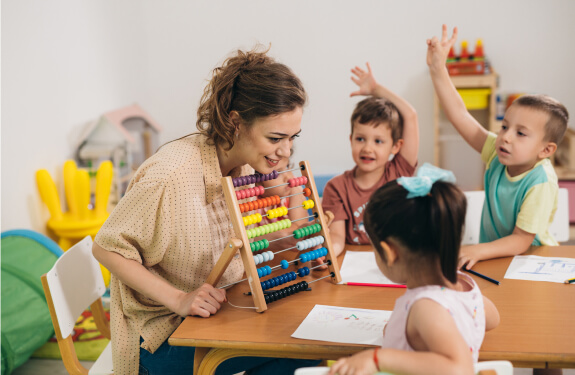
This is what is driving the Spanish immersion program among preschool and kindergarten children in Walnut Creek to gain massive momentum among families in the area https://myspanishvillage.com/pleasant-hill-preschool-kindergarten
.
And this is where most parents remain in the dark until it is often too late: ages 2–7 are the prime window for language learning. The brain develops in a unique way during this period. Children absorb sounds, rhythms, and grammar effortlessly, without the self-consciousness adults experience.
Walnut Creek is uniquely positioned in a cultural corridor. Given the significant Spanish-speaking population in the Bay Area and California, raising bilingual children is both a cultural and economic investment.
These programs are much more than simple vocabulary lessons. Top programs embed language into everyday activities. Daily routines like eating, playing, and singing help reinforce the language. They absorb language through repetition without effort.
By kindergarten, this development accelerates significantly. After one or two years of immersion, children stop translating in their heads. Spanish becomes a natural thinking mode—another way of thinking.
Parents often ask: “Will this confuse my child?” Simply put: no. Decades of research show that bilingual children develop stronger executive function, are stronger problem solvers, and become better readers—even in their first language.
A mother in Walnut Creek once said: “By Thanksgiving, my daughter was correcting my pronunciation. I was humiliated and proud.”
There’s also a strong social benefit. They gain an intrinsic interest in cultural differences. They wonder about traditions, foods, and language variations. That interest stays with them for life.
There are several types of programs available. Some provide full immersion environments where only Spanish is used. Others use a dual-language model—half English, half Spanish, ideal for non-Spanish-speaking families. No method is universally best—it comes down to your child’s needs and preferences.
Cost is often part of the conversation. High-quality bilingual education in the Bay Area is rarely inexpensive. Many consider it worth the cost. College prep? One step ahead. Career advantages in Spanish-speaking environments? Absolutely.