The Reason Why Walnut Creek Families are now raising Bilingual Children at unprecedented levels


Learning a second language as an adult is similar to learning how to assemble furniture without the instructions. It is possible, deeply frustrating. Kids, on the other hand, soak up language effortlessly in water.
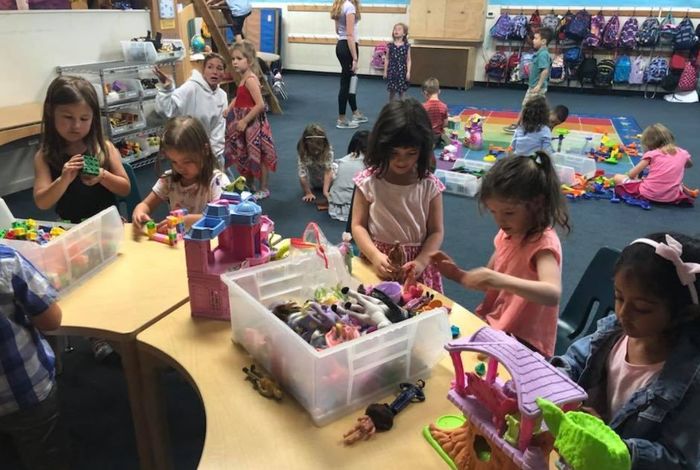
This is exactly why the Spanish immersion program among preschool and kindergarten children in Walnut Creek to assume a terrific tide of momentum among the community spanish immersion school charleston sc
.
This is something many parents overlook: the critical period for language learning is ages 2 to 7. During these years, the brain is literally hardwired differently. Children absorb sounds, rhythms, and grammar effortlessly, without the embarrassment that adults often feel.
This is especially relevant in Walnut Creek. With a large Spanish-speaking population in the Bay Area and California overall, raising bilingual children is more than education—it’s a social and economic advantage.
These programs are much more than simple vocabulary lessons. The most effective programs integrate language into daily life. Daily routines like eating, playing, and singing help reinforce the language. Children even sing songs in the car without realizing they’re conjugating verbs.
By kindergarten, children advance quickly. With one to two years of immersion, kids no longer mentally translate. They process thoughts in Spanish—a new mental framework.
Many parents wonder: “Is bilingual learning confusing?” The answer is no. Decades of research show that bilingual children have better cognitive control, are stronger problem solvers, and become better readers—even in their first language.
As one parent in Walnut Creek described: “My daughter corrected my pronunciation by Thanksgiving—I felt proud and embarrassed.”
Beyond academics, there are social advantages. Kids in these programs become curious about different cultures. They explore why cultures differ. That curiosity becomes a lifelong asset.
Walnut Creek programs vary in structure. Some offer full-day immersion with only Spanish spoken. Others use a dual-language model—half English, half Spanish, ideal for non-Spanish-speaking families. No method is universally best—it depends on your child’s personality and your goals.
Financial factors do come up. High-quality bilingual education in the Bay Area is rarely inexpensive. However, many families see it as a long-term investment. Future language requirements? Already handled. Job opportunities where Spanish is valued? Definitely.