How to Tell If Your Fleet Is Performing — Here's What to Look For


Most business owners view their fleet as an evil. Trucks cost money. Drivers rack up fuel costs. Trucks break down when you least expect it. However, here's the thing — a poorly managed fleet does not drain money silently. It drains like it's bleeding obviously, continuously and often all at once saphyroo.
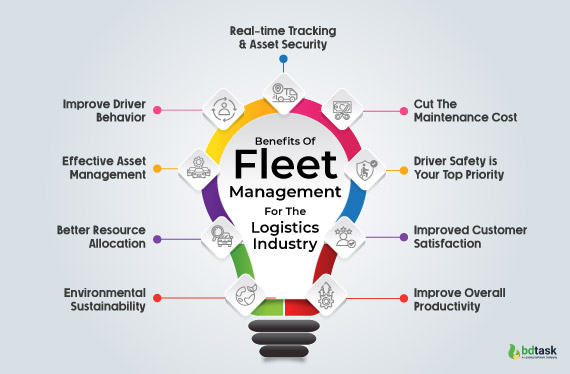
Fleet management underpins any operation that moves goods, people, or services. Manage it well, and your vehicles become efficient profit machines. Mess it up and you're constantly chasing problems with your wallet.
So what's the most common failure point?
They run on guesswork. No real-time tracking. No preventive maintenance plans. No fuel reporting. Nothing but hope and assumptions. One breakdown call from a driver and your whole operation grinds to a halt. That's not misfortune — that's poor planning dressed up as bad luck.
Real time GPS tracking transformed the game as soon as it became affordable. You have full visibility of your entire fleet at all times. Unauthorized detours are identified. Unplanned stops are monitored. Downtime, which is just wasted expense, gets measured and cut. Fuel savings ranging between 10 and 15 percent have been regularly reported in companies that use tracking. It is not a roundoff error. That's a salary.
Preventive maintenance is another massive opportunity businesses consistently miss. Fixing things only when they break costs three to five times more than routine, scheduled maintenance. Scheduled oil changes are as little as $60. A blown engine rebuild will set you back $6,000. The numbers make the case on their own.
Good fleet management software automatically notifies you when a vehicle hits a set mileage or when a sensor picks up an anomaly. You do not have to get a sixth sense by having a mechanic. The software automatically does it.
This is where the conversation gets uncomfortable — driver behavior.
Monitoring employees is never a popular idea. The stats, however, are hard to argue with. Abrupt braking, fierce acceleration and regular over speeding adds to the risk of accidents, and punishes fuel economy. A driver who hard-brakes 40 times a day isn't just grinding down brake pads — they're a genuine road hazard.
A logistics firm ran a 90-day driver behavior monitoring program across its 50-vehicle fleet. When the data came in, three drivers had generated 60% of all the excess fuel costs. Three individuals. Out of fifty. Simply coaching the three offending drivers cut $18,000 in yearly fuel costs. No terminations, no conflict — just data and a conversation.